
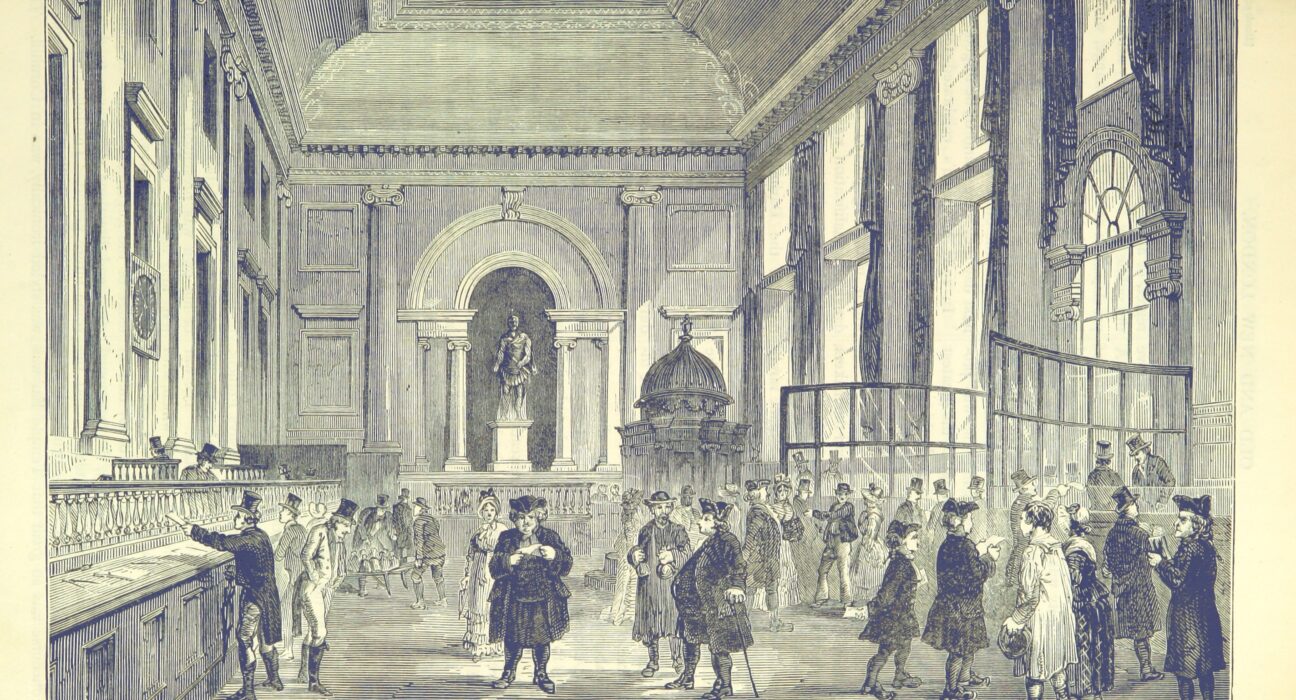
The Collapse of London Banking Houses (1772)
Anatomy of a Systemic Failure
Event Type: Banking Collapse
Date: 1772
Primary Location: London, Great Britain
System Impact: Banking Infrastructure, Trade Finance
Overview
During the Credit Crisis of 1772, London experienced a wave of banking failures that exposed the vulnerabilities of early financial institutions.
These collapses represent one of the first large-scale breakdowns of an urban banking system driven by credit interdependence and liquidity shortages.
Structure of 18th-Century London Banking
London banking houses operated as:
- Private partnerships
- Credit intermediaries
- Trade financiers
They were characterized by:
- Minimal regulation
- High reliance on reputation
- Extensive interbank exposure
Immediate Cause of Collapse
The failure of Alexander Fordyce triggered systemic instability:
- His firm defaulted on obligations
- Linked banks faced cascading losses
- Creditors demanded immediate repayment
Without sufficient reserves, banks began to fail in succession.
Chain Reaction of Failures
Phase 1: Primary Collapse
- Neal, James, Fordyce & Down fails
Phase 2: Secondary Failures
- Associated banks collapse due to exposure
Phase 3: Systemic Impact
- Merchants lose access to financing
- Trade activity contracts
Structural Weaknesses
1. High Leverage
Banks extended credit beyond their liquid capacity
2. Interconnected Liabilities
Failures propagated through financial networks
3. Lack of Central Oversight
- No central bank intervention
- No lender of last resort
4. Exposure to Speculation
Banking stability was tied to volatile financial markets
Consequences
- Dozens of banking houses collapsed
- Commercial bankruptcies increased
- Domestic and international trade slowed
Historical Significance
This event demonstrated the importance of:
- Liquidity management
- Risk diversification
- Institutional oversight
It contributed to the gradual evolution of modern banking practices.
References & Sources
- Pressnell, Leslie. Country Banking in the Industrial Revolution
- Neal, Larry. The Rise of Financial Capitalism
- Clapham, J.H. The Bank of England: A History
Related Archive Entries
- Credit Crisis of 1772
- East India Company Financial Stress