
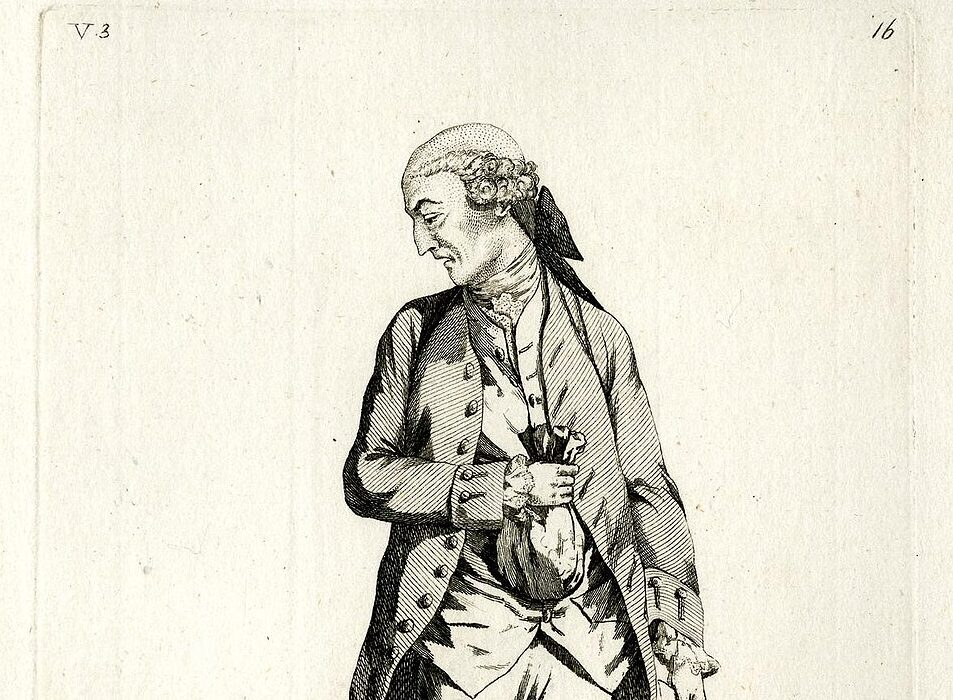
The Banker Behind the Credit Crisis of 1772
Role: Banker, Speculator
Active Period: Mid-18th Century
Primary Location: London, Great Britain
Associated Event: Credit Crisis of 1772
Overview
Alexander Fordyce was a Scottish banker whose speculative financial activities directly triggered the Credit Crisis of 1772. His collapse exposed the vulnerabilities of interconnected banking systems and marked one of the earliest examples of systemic financial contagion.
Professional Background
Fordyce was a partner in the London banking firm Neal, James, Fordyce & Down, which was actively involved in:
- Commercial banking
- Credit issuance
- Financial market speculation
During this period, banking operations were largely unregulated, allowing individuals like Fordyce to take significant financial risks.
Speculation and Financial Strategy
Fordyce engaged in large-scale speculative short selling, particularly targeting shares of the East India Company.
- He anticipated a decline in stock prices
- Instead, prices rose due to market conditions
- Losses escalated rapidly beyond recoverable levels
This speculative exposure was conducted using borrowed funds, increasing systemic risk.
Collapse and Flight
In June 1772:
- Fordyce’s financial position became unsustainable
- He defaulted on his obligations
- He fled to France to avoid creditors
His sudden disappearance triggered panic among creditors and financial institutions.
Systemic Impact
Fordyce’s failure led to:
- Collapse of his banking firm
- Loss of confidence in London financial institutions
- Rapid spread of panic across banking networks
His actions were the immediate catalyst for the broader financial crisis.
Historical Significance
Fordyce’s role highlights:
- The dangers of speculative leverage
- The fragility of trust-based financial systems
- The interconnected nature of early global finance
His case is often cited in economic history as an early example of individual actions triggering systemic collapse.
References & Sources
- Neal, Larry. The Rise of Financial Capitalism
- Kindleberger, Charles P. Manias, Panics, and Crashes
- Pressnell, Leslie. Country Banking in the Industrial Revolution
Related Archive Entries
- Credit Crisis of 1772
- Collapse of London Banking Houses
- East India Company Financial Stress